Recognition · 2016
Invited guest at the Weizmann Institute of Science
In August 2016, Dr. Giddens was introduced to the Weizmann Institute of Science in Rehovot, Israel, as an invited guest of the American Committee for the Weizmann Institute, and spent a week there working with its scientists. The formal program on August 17 took her from Chaim Weizmann’s original laboratory to a two-photon microscope in the Department of Neurobiology.
About the Institute
The Weizmann Institute of Science is one of the world’s leading centers for basic research in the natural and exact sciences. It was founded in 1934 as the Daniel Sieff Research Institute by Chaim Weizmann, a chemist who would go on to become the first President of Israel, and was renamed in his honor in 1949. Unlike a university, Weizmann teaches only at the graduate level, through the Feinberg Graduate School, and its roughly 250 research groups work across mathematics and computer science, physics, chemistry, biochemistry, and biology on a single campus of gardens and laboratories south of Tel Aviv.
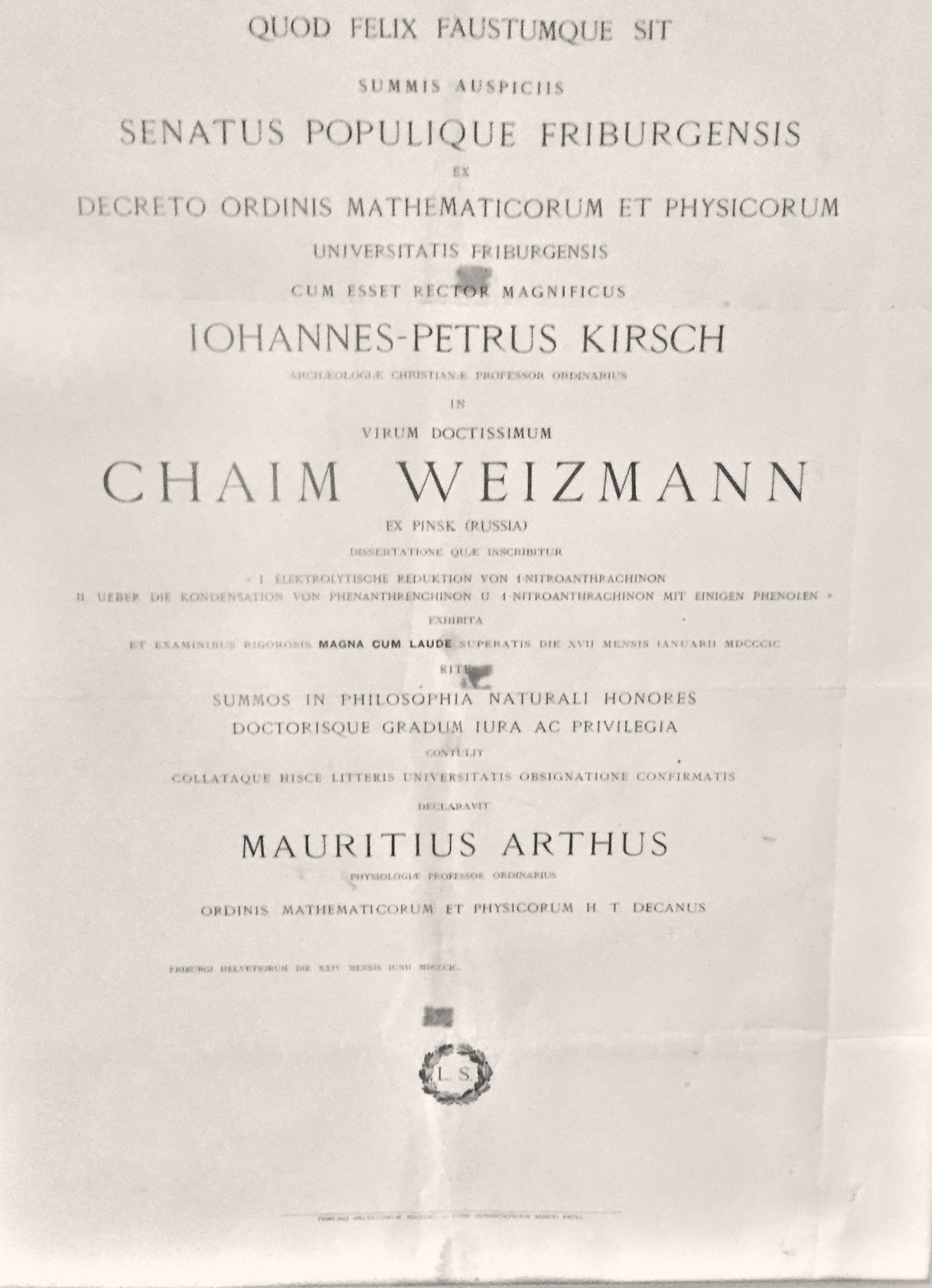
Weizmann himself earned his doctorate at the University of Fribourg in Switzerland in 1899, magna cum laude, with a dissertation in organic chemistry; the diploma still hangs in his restored laboratory. During the First World War he developed a fermentation process for producing acetone, a step that made him known to the British government and shaped the diplomacy of the years that followed. The Institute that bears his name has kept his conviction that science should serve humanity, and it now ranks among the most productive research institutions anywhere for the quality of its publications and the reach of its inventions.
Discoveries that changed medicine
- The structure of the ribosome. Ada Yonath’s decades-long work on crystallizing the ribosome, the cell’s protein factory, earned the 2009 Nobel Prize in Chemistry and explained how many antibiotics work.
- Copaxone for multiple sclerosis. Michael Sela, Ruth Arnon, and Dvora Teitelbaum developed glatiramer acetate, one of the first disease-modifying treatments for MS, from a synthetic polymer studied in their laboratory.
- Amniocentesis. Leo Sachs was among the first to show that fetal cells in amniotic fluid could be used for prenatal diagnosis, laying groundwork for a procedure used worldwide; he later identified the growth factors that control blood-cell formation.
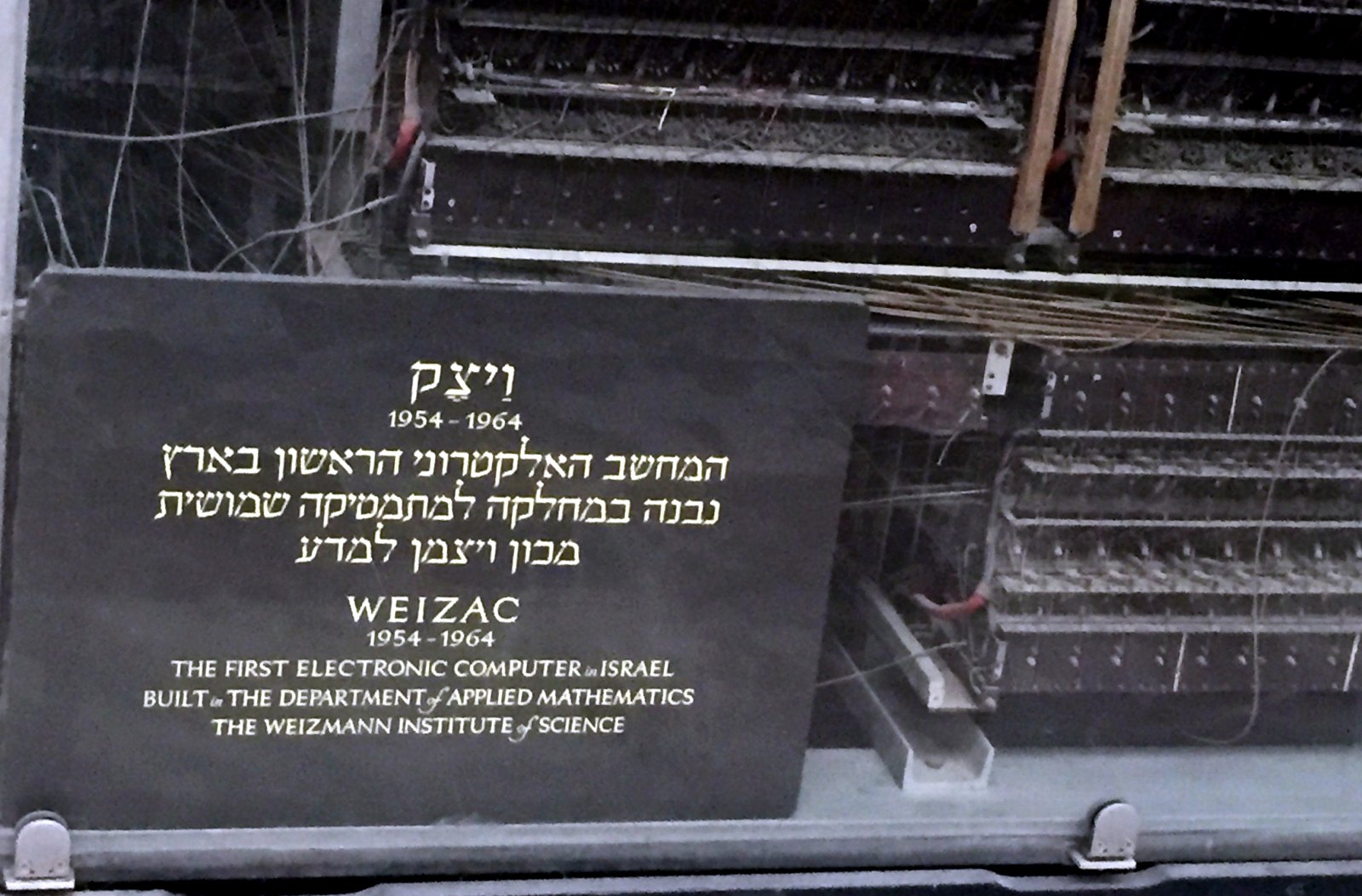
- The first electronic computer in Israel. WEIZAC, built in the Department of Applied Mathematics between 1954 and 1964, was one of the first large-scale computers outside the United States and Europe and is recognized as an IEEE Milestone.
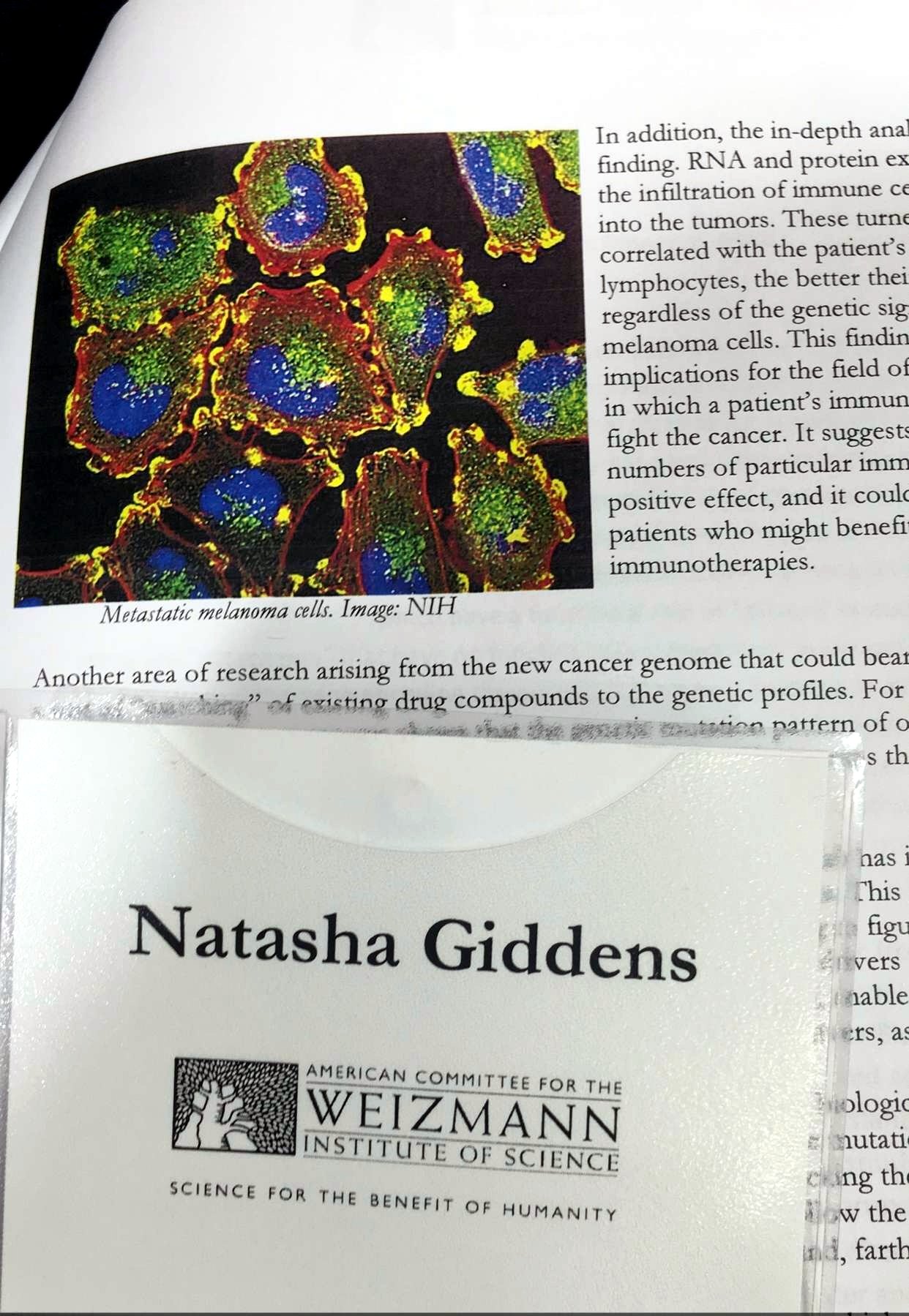
- Immunotherapy for cancer. Zelig Eshhar’s laboratory devised the chimeric antigen receptor, the idea behind CAR-T cell therapy, and Sela’s antibody research contributed to the cancer drug cetuximab (Erbitux). Yardena Samuels’ group, featured in the brochure Dr. Giddens received that day, maps the genetics of melanoma to guide immunotherapy.
- Interferon and personalized medicine. Michel Revel’s work on interferon beta led to Rebif, another MS treatment, and more recent Weizmann studies showed that blood-sugar responses to the same food differ from person to person, an idea now central to personalized nutrition.
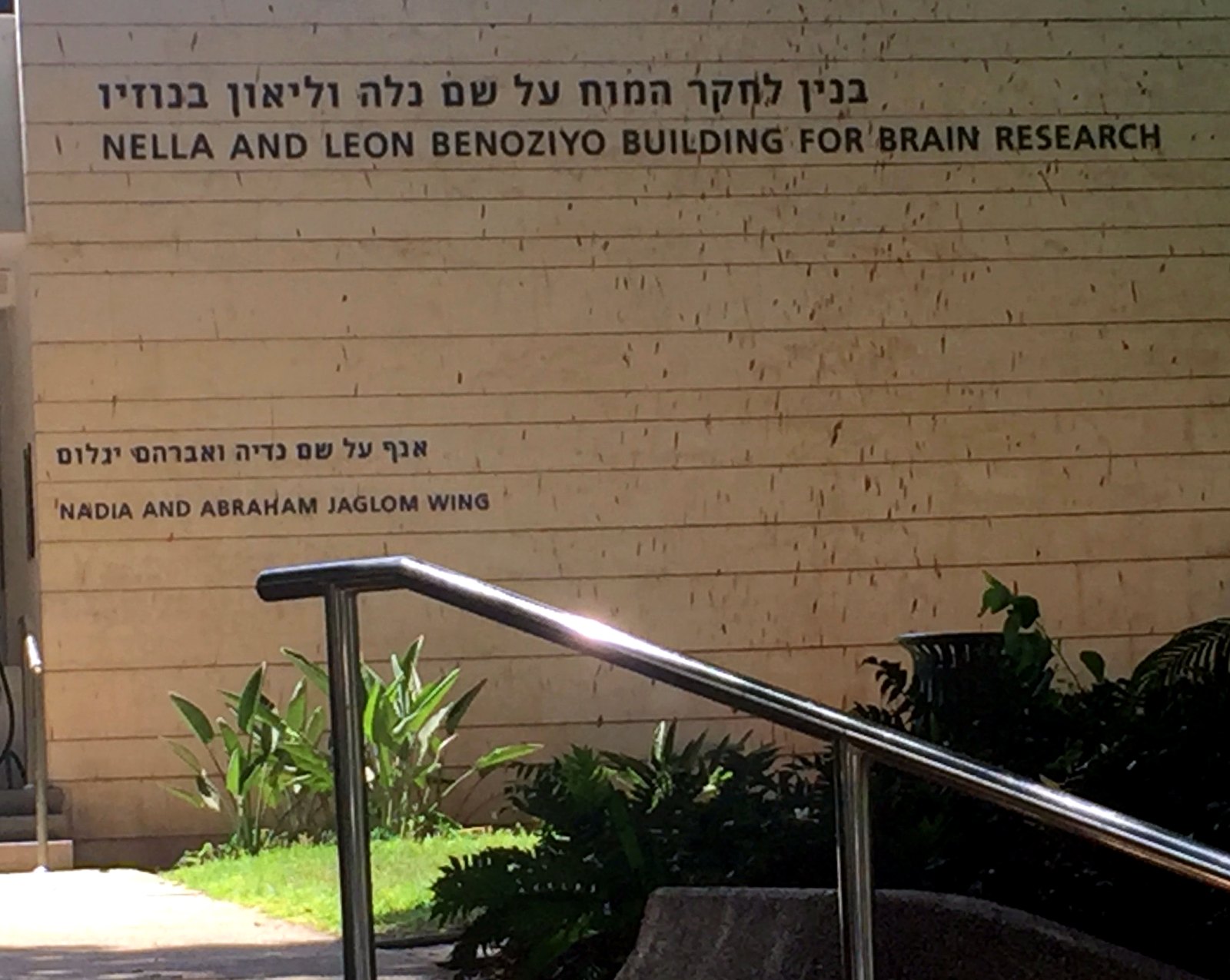
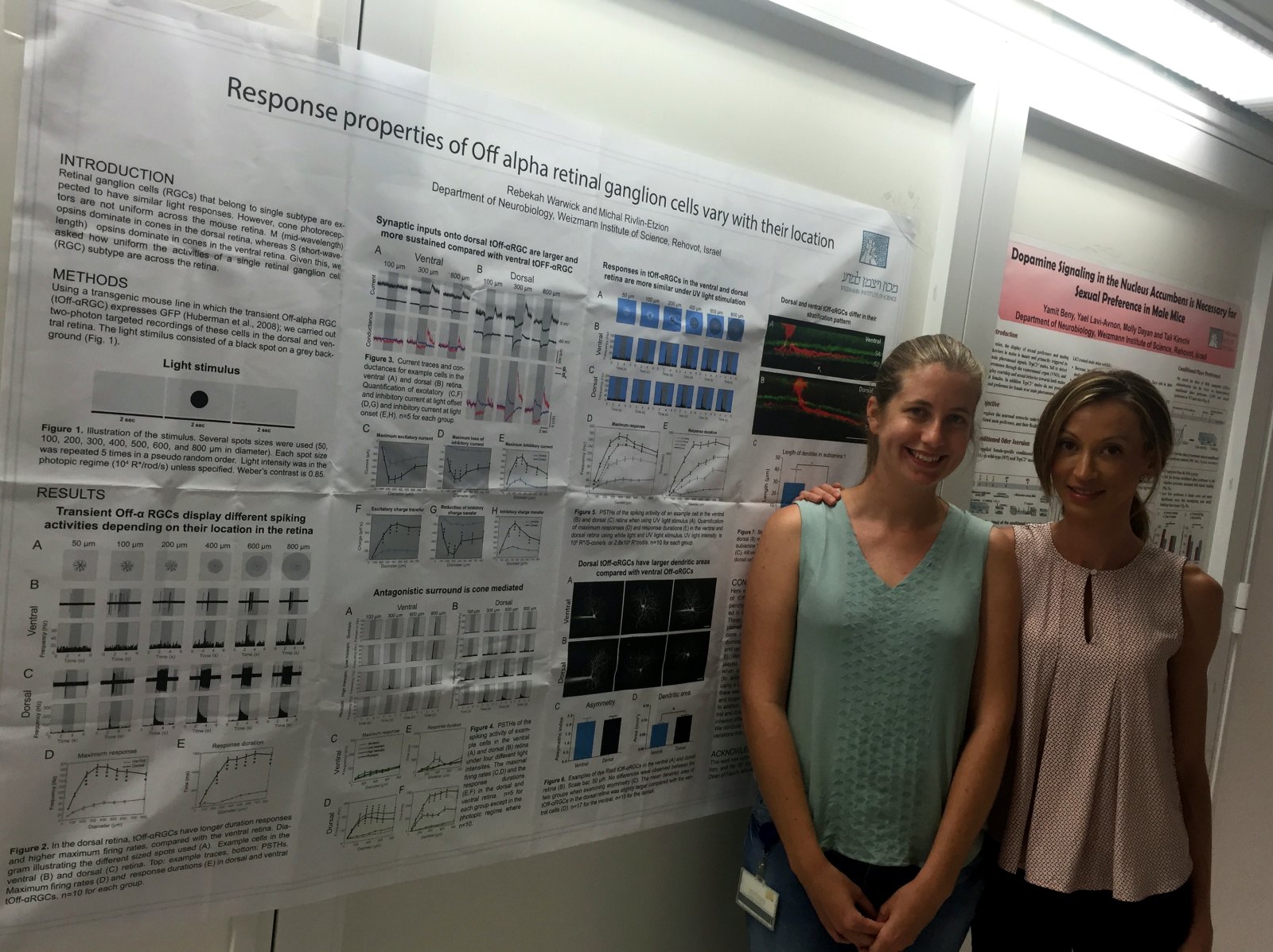
- Brain research. Weizmann neuroscientists study everything from the retina to memory and sleep. In the laboratory Dr. Giddens visited, Dr. Michal Rivlin-Etzion studies how the circuits of the retina, including dopamine signaling, shape what the brain receives from the eye.
The visit
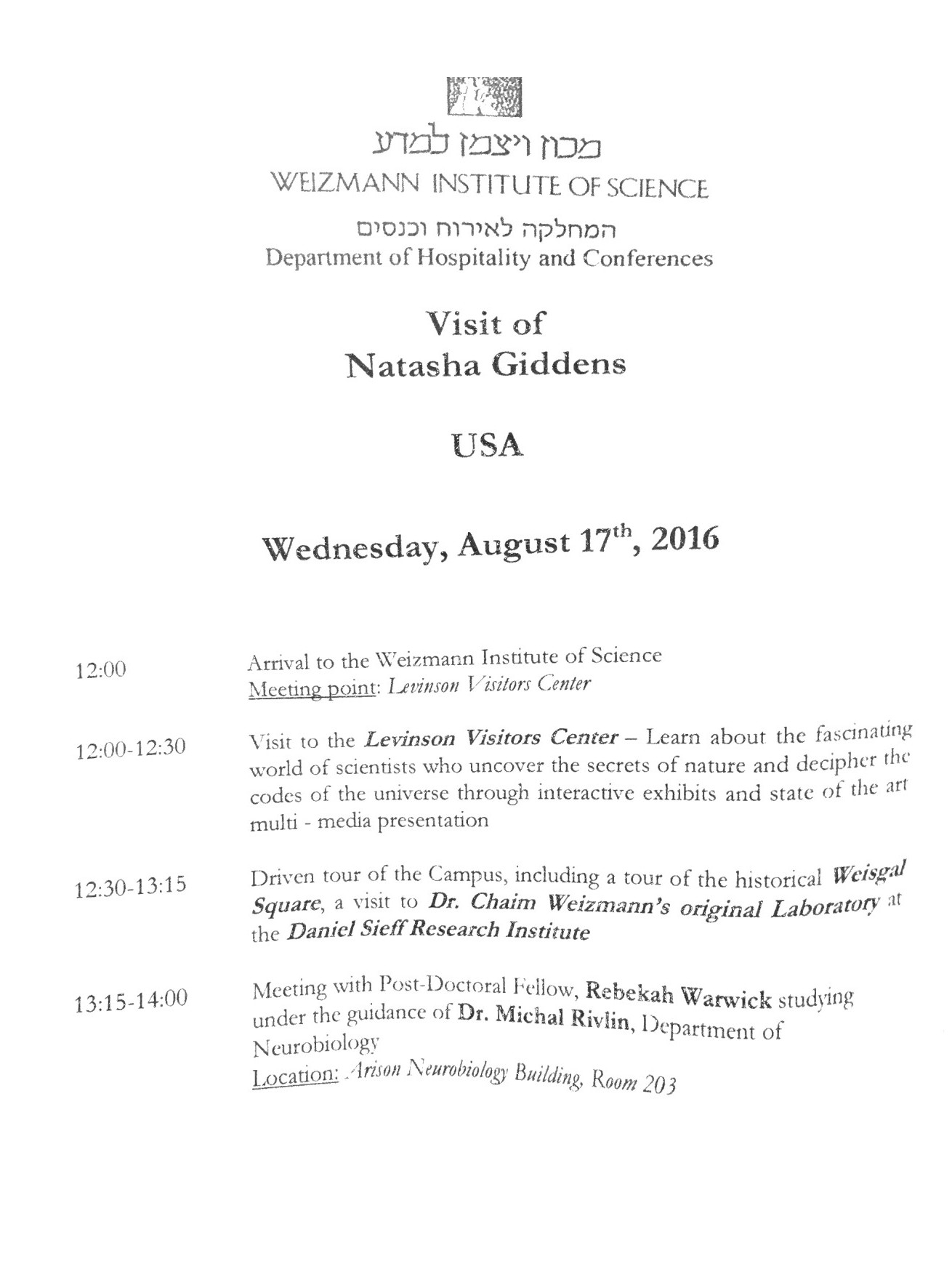
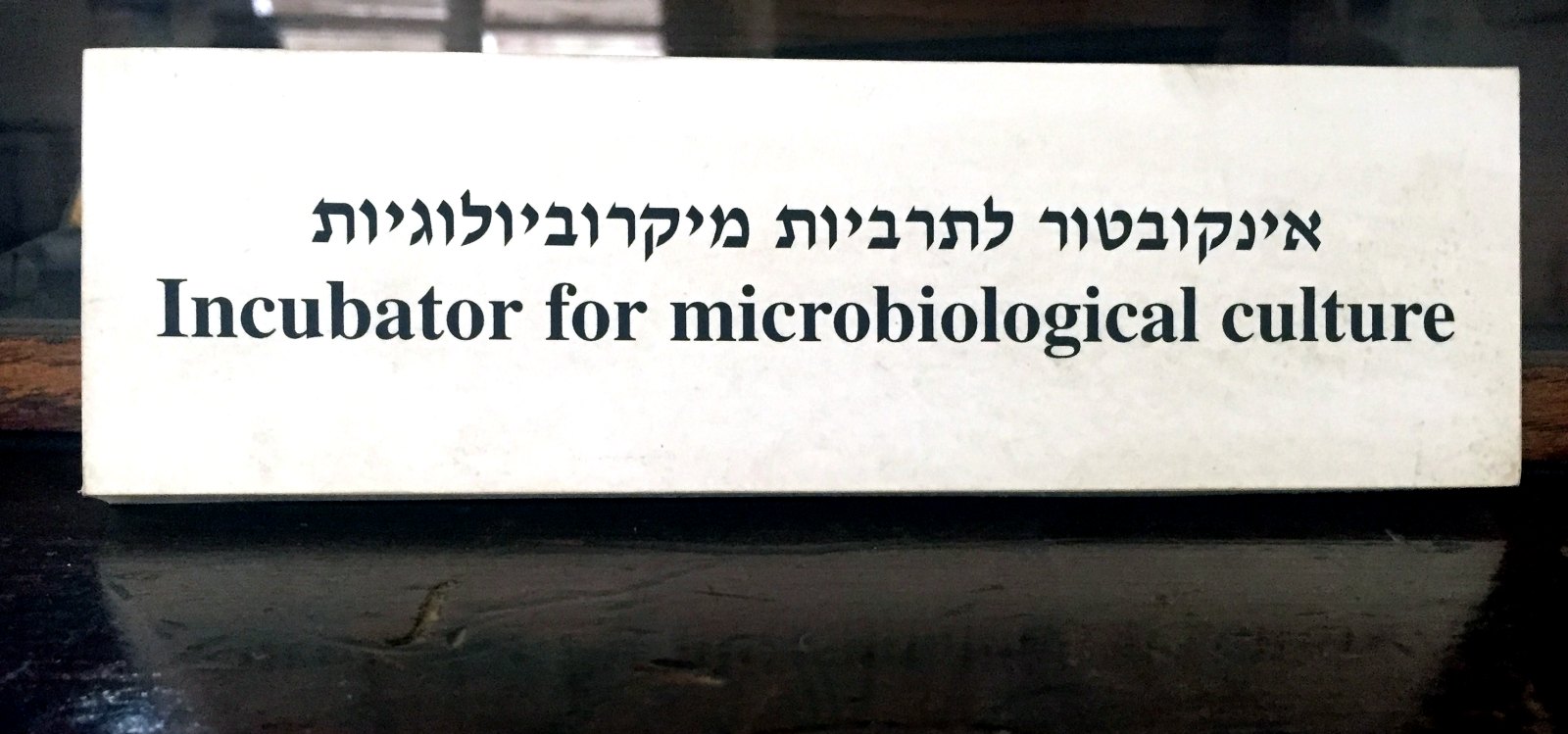
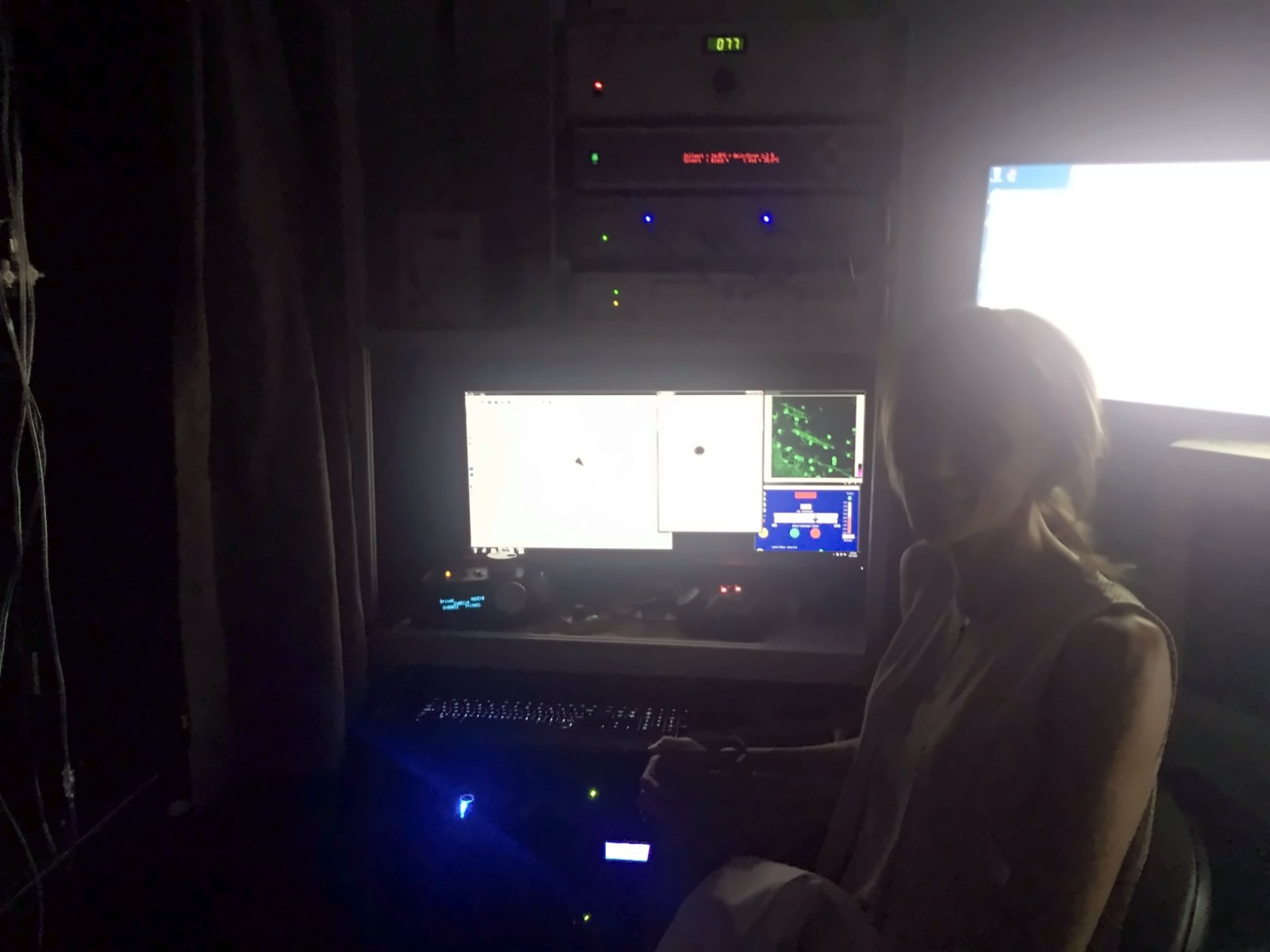
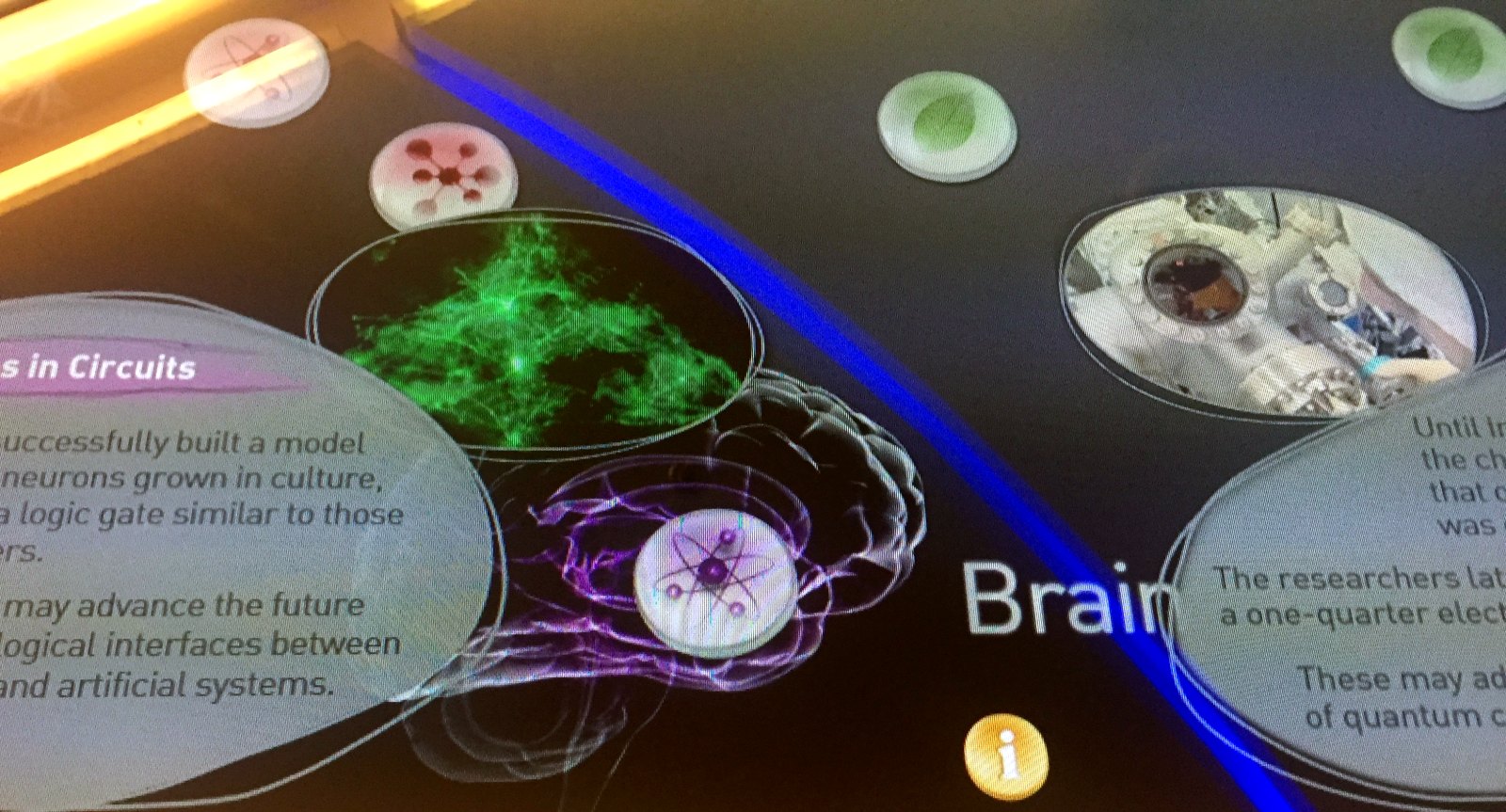
The formal program on August 17 began at the Levinson Visitors Center, where interactive exhibits trace the Institute’s work from neurons grown in culture to quantum physics, and continued with a driven tour of the campus: historic Weisgal Square and Dr. Chaim Weizmann’s original laboratory at the Daniel Sieff Research Institute, preserved with its benches, incubators, and his Fribourg diploma. It ended in the Arison Neurobiology Building with postdoctoral fellow Rebekah Warwick, working under Dr. Michal Rivlin-Etzion in the Department of Neurobiology, and a look at the two-photon microscope used to record from single retinal neurons.
The visit came through the American Committee for the Weizmann Institute of Science, whose motto, “Science for the benefit of humanity,” is printed on the guest badge below. For a physician-scientist whose work would later turn to brain imaging and the neuroscience of addiction and sleep, a week among people studying the brain one cell at a time left a lasting impression.
From Weizmann’s laboratory and the visit