For attorneys
Legal consultation
Psychiatric consultation for attorneys representing children in foster care and in Children in Need of Assistance (CINA) proceedings. If you represent a child, a parent, or a local department and need a psychiatrist’s perspective, contact me here.

Why a psychiatrist in a CINA case
Children who come into care arrive with histories the court must understand quickly and the record rarely explains well: trauma, disrupted attachments, sleep that was never regular, symptoms that look like defiance and are something else, medications started and stopped across placements. Attorneys argue about a child’s needs and a plan’s fit on the strength of a school report and a caseworker’s summary. A psychiatrist who knows how these children move through the system can translate that record into what it means for this child, and say plainly what is known, what is not, and what would help.
What I offer
- Record review
- Medical, psychiatric, educational, and placement records, read together with birth and developmental history, family of origin, cultural values, educational attainment, and the family’s own experience of mental health care. The result is a written summary of the psychiatric picture, the strength of the evidence behind each diagnosis, and the questions the record leaves open.
- Consultation to counsel
- Plain-language explanation of diagnoses, medications, and recommendations; help framing questions for other experts, clinicians, and schools; and an assessment of whether a proposed service plan is realistic for this child.
- Psychiatric evaluation
- Where permitted by the court, direct evaluation of the child, including sleep, trauma, substance use, and development, with a report addressed to the questions counsel and the court need answered. Ages 15 and older now; younger children from July 2027.
- Treatment and placement recommendations
- Specific, feasible recommendations on therapy, medication review, school supports, and the clinical features of a placement that would serve the child, written so a service plan can be built from them.
- Testimony
- Where retained for it, by affidavit, deposition, or in court, within the limits of the evidence.
Jurisdictions and terminology
The same proceeding has different names where I practice: in Maryland, a Child in Need of Assistance (CINA) case under Title 3, Subtitle 8 of the Courts and Judicial Proceedings Article; in the District of Columbia, a neglect proceeding in Family Court; in New York, an Article 10 proceeding in Family Court. I work with counsel in all three.
Relevant experience
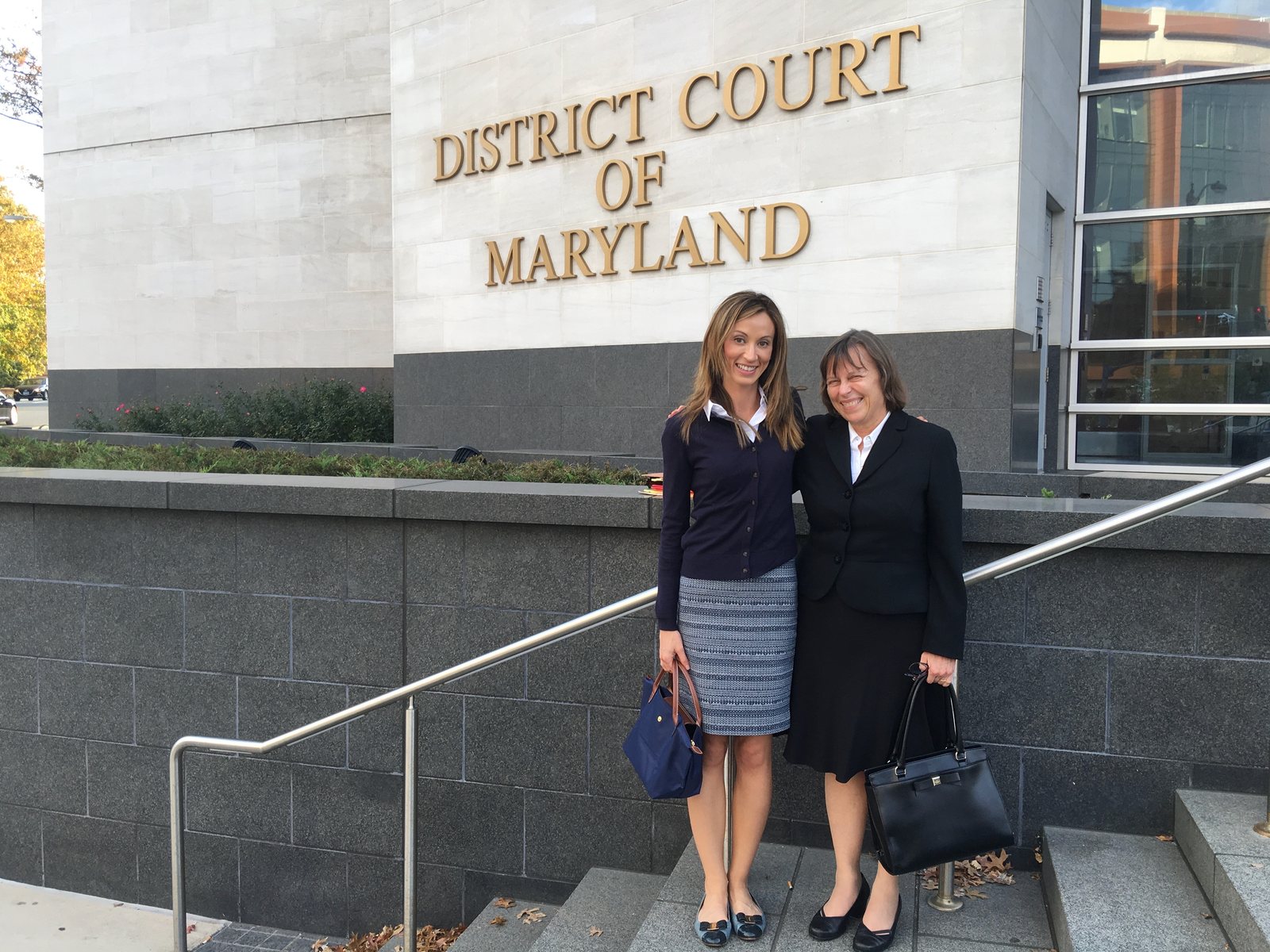
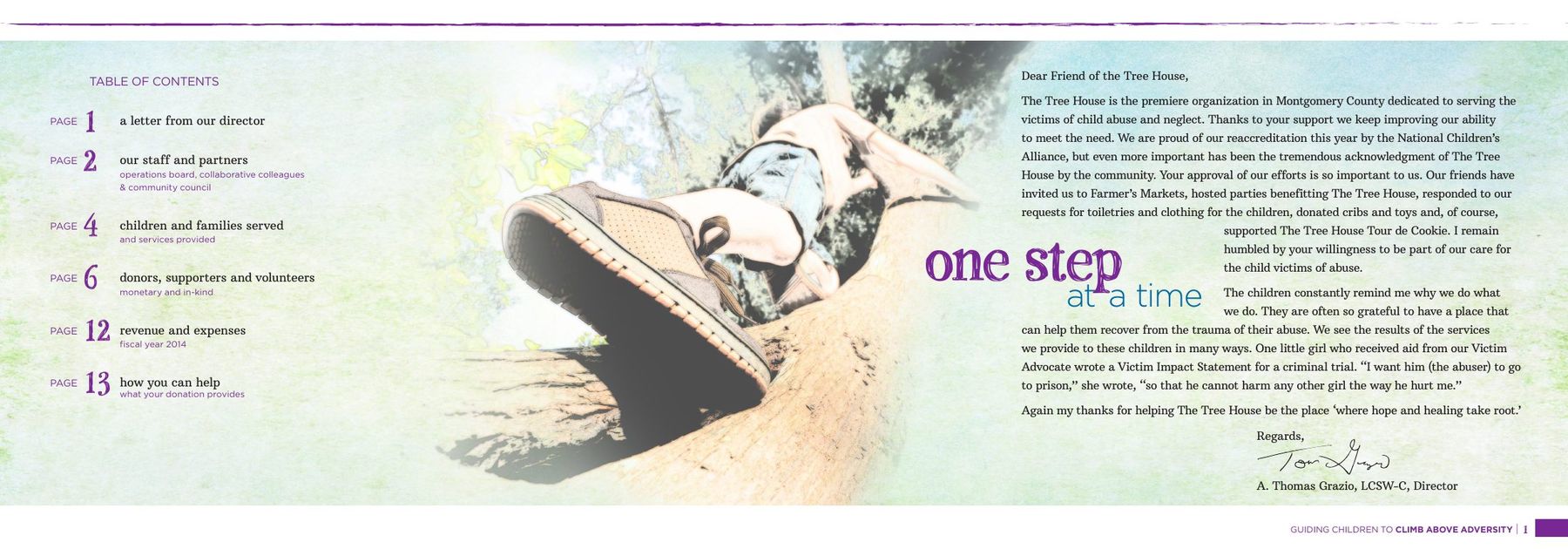
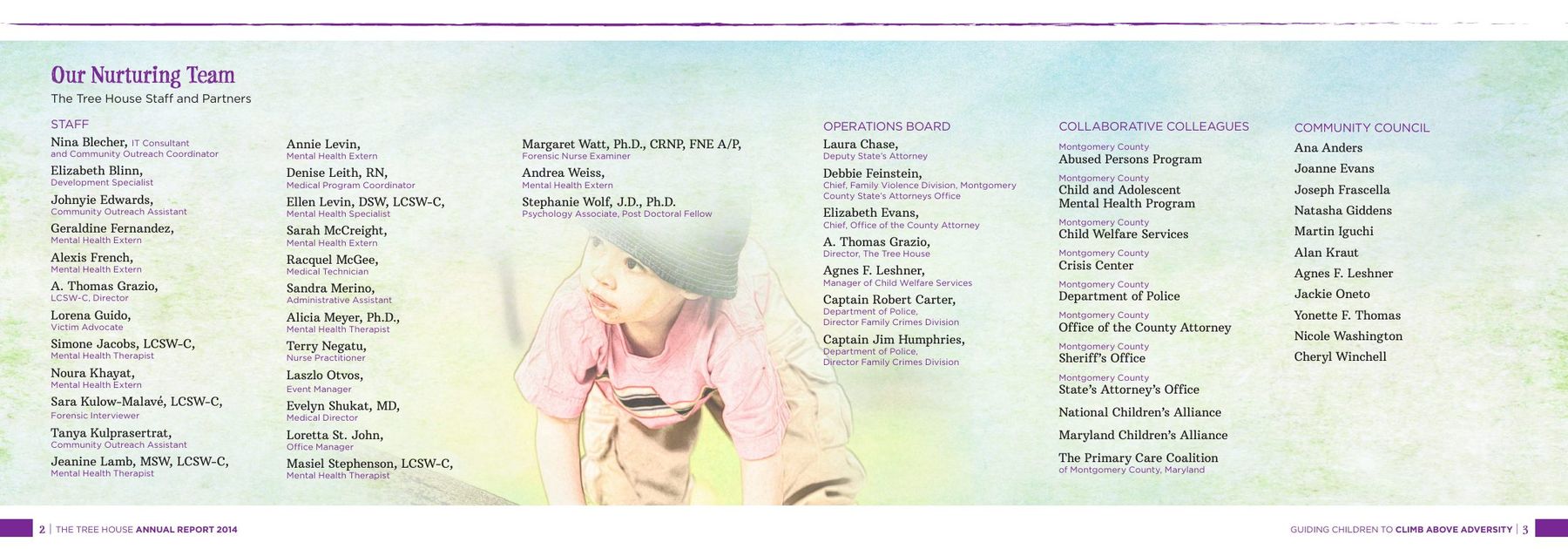
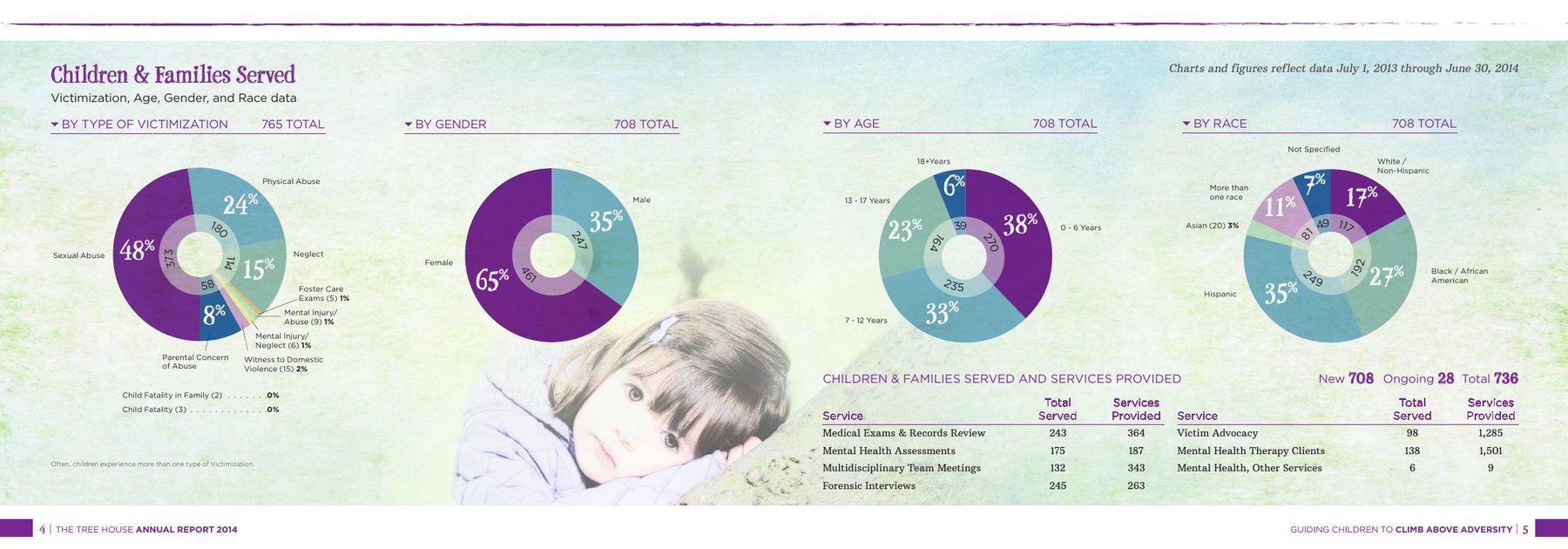
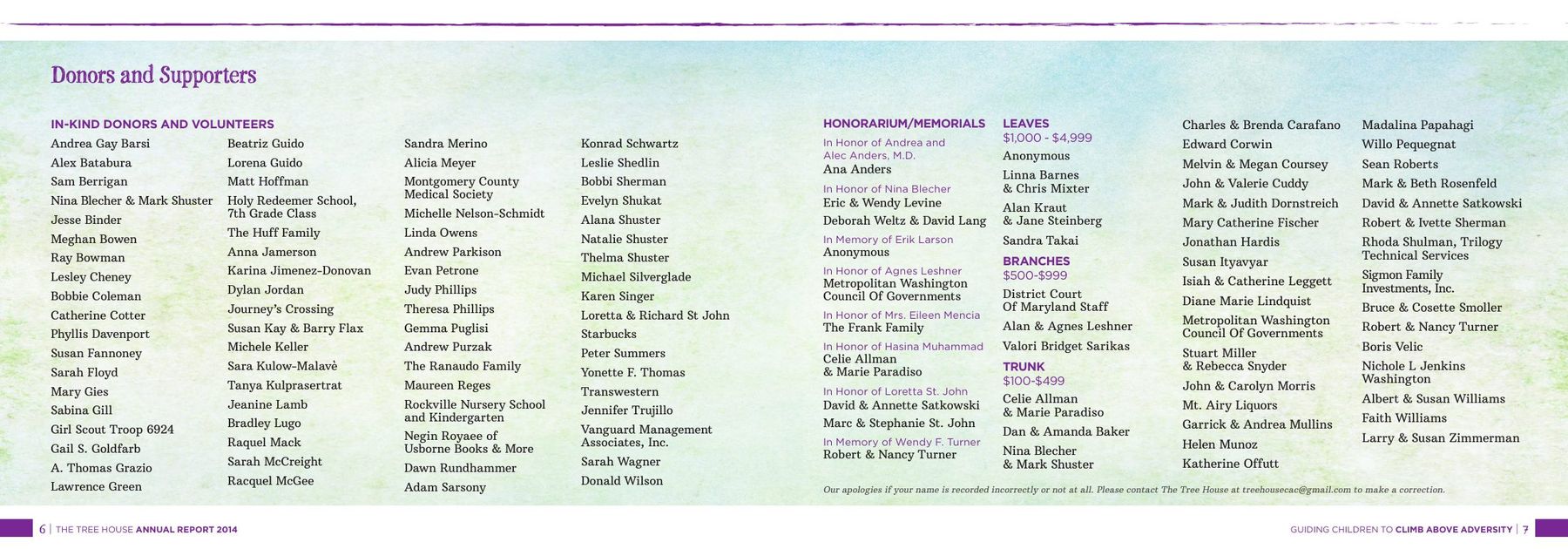
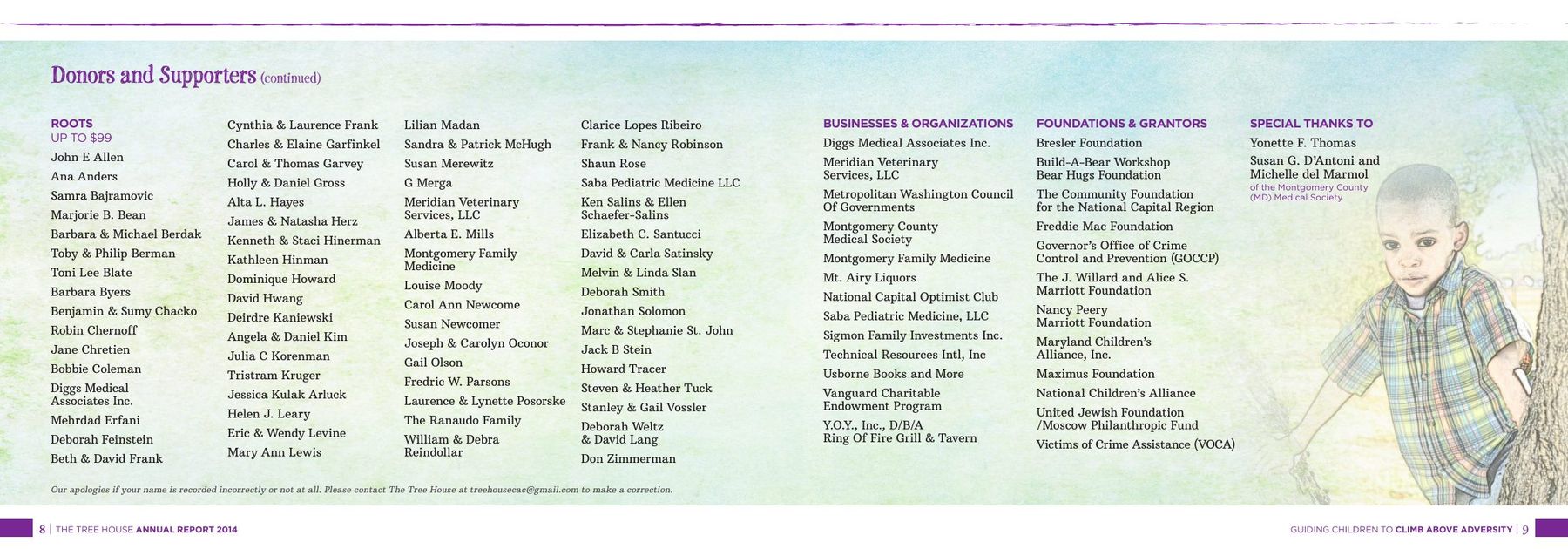
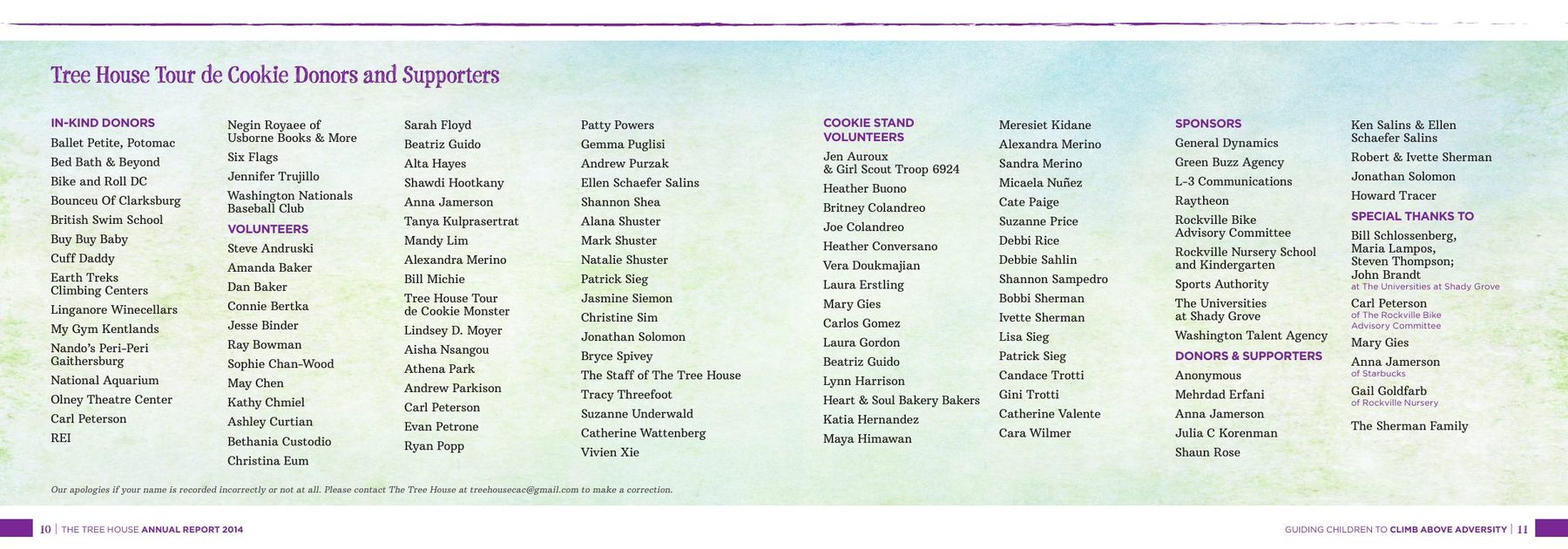
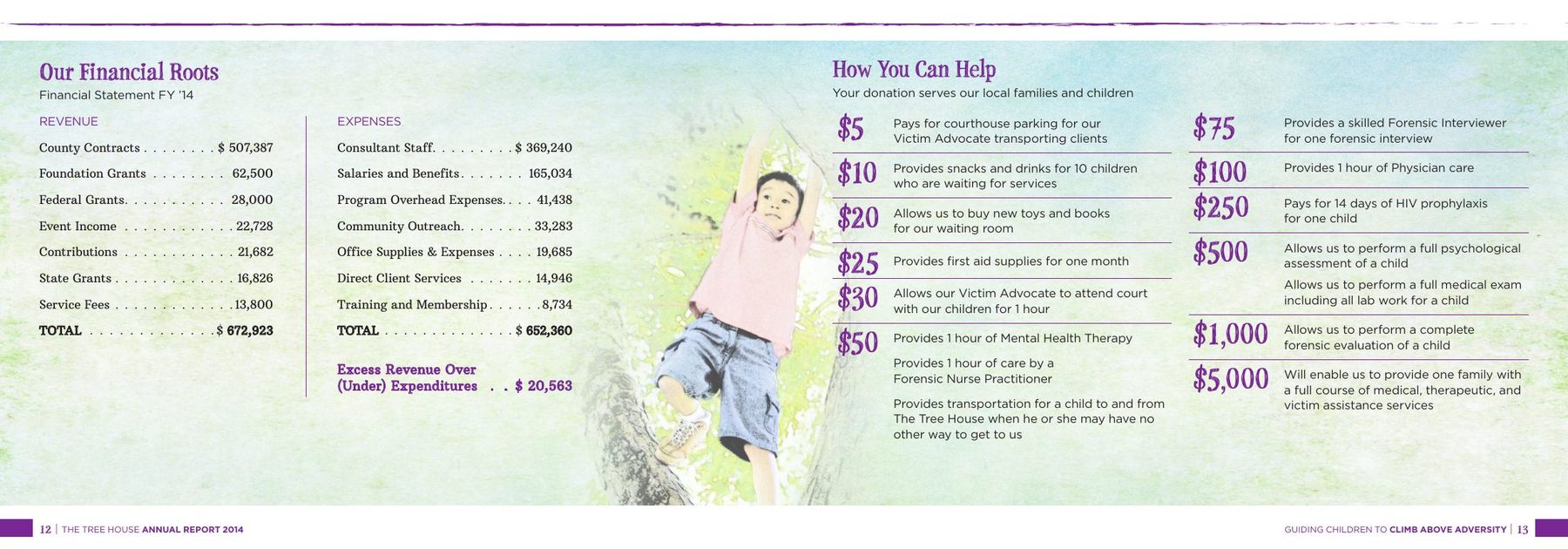
My experience with children in the child-welfare system predates my medical training. I served on the Community Council of the Tree House Child Advocacy Center of Montgomery County, Maryland, where forensic interviewing, medical evaluation, mental health treatment, and victim advocacy for abused and neglected children are brought together under one roof; my name appears among the Council members in the 2014 Annual Report shown above. That work was a practical education in the gap between what a child needs and what the record shows.
My research at the National Institutes of Health has focused on how sleep and childhood adversity shape later mental health, including a first-author study of sleep disparities among American children. I know how psychiatric findings are used, and misused, in dependency proceedings.
In clinical practice I have cared for children and adolescents in foster care and kinship placements, and so have seen the court’s questions from the other side: what a diagnosis made in crisis does and does not mean, how medication started in one placement travels into the next, and how a child’s presentation changes with the stability of the home. That shapes how I review records and write reports, with conclusions stated no more strongly than the evidence allows.
Practical matters
- Available to counsel for children, parents, and local departments, and to guardians ad litem and CASA programs.
- Work proceeds under a written engagement setting out scope, fees, and timelines; court-appointed and reduced-fee arrangements are considered case by case.
- Consultation to counsel does not create a treatment relationship with the child; where a child needs treatment, I will say so.
- Send records only after engagement, through a secure channel we agree on, never by ordinary email.
Contact me here
By phone
Leave your name, firm, the jurisdiction, and the nature of the matter, without the child’s name. Calls are returned within one business day.
By email
natashawisconsinpsychiatry@gmail.com
Please put “Legal consultation” in the subject line and keep identifying details out of the first message.